
La Safor is a coastal region made up of 31 municipalities and with a census of 171,903 inhabitants. It is located in the province of Valencia and borders the province Alicante, both in the Valencian Community, Spain. Its capital and best known city is Gandíawhich currently has 73,000 inhabitants. Other places of special tourist interest are the municipality of Olivathanks to its historic center and its quiet beaches, or Villalonga for its numerous and interesting mountain routes.
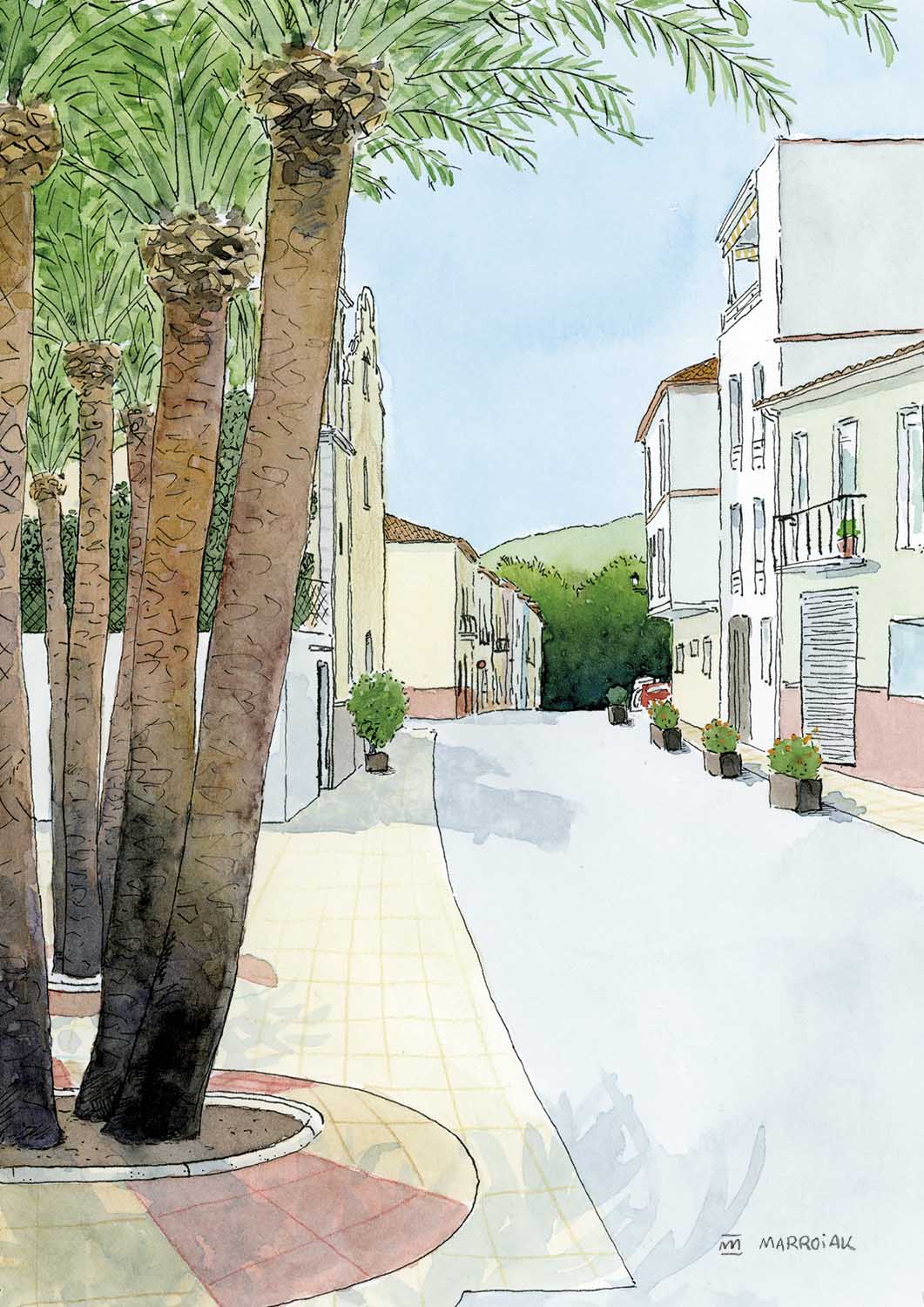
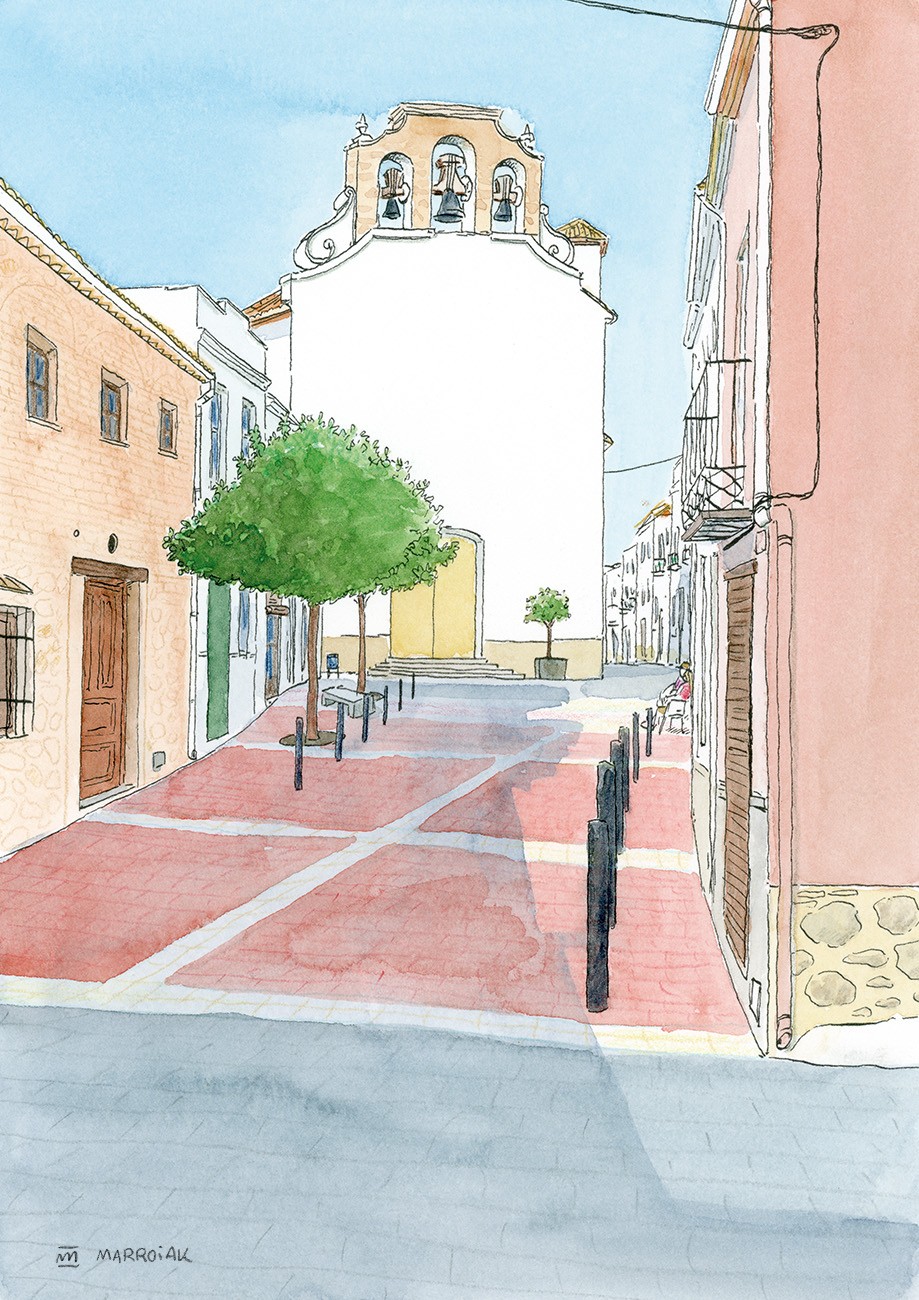
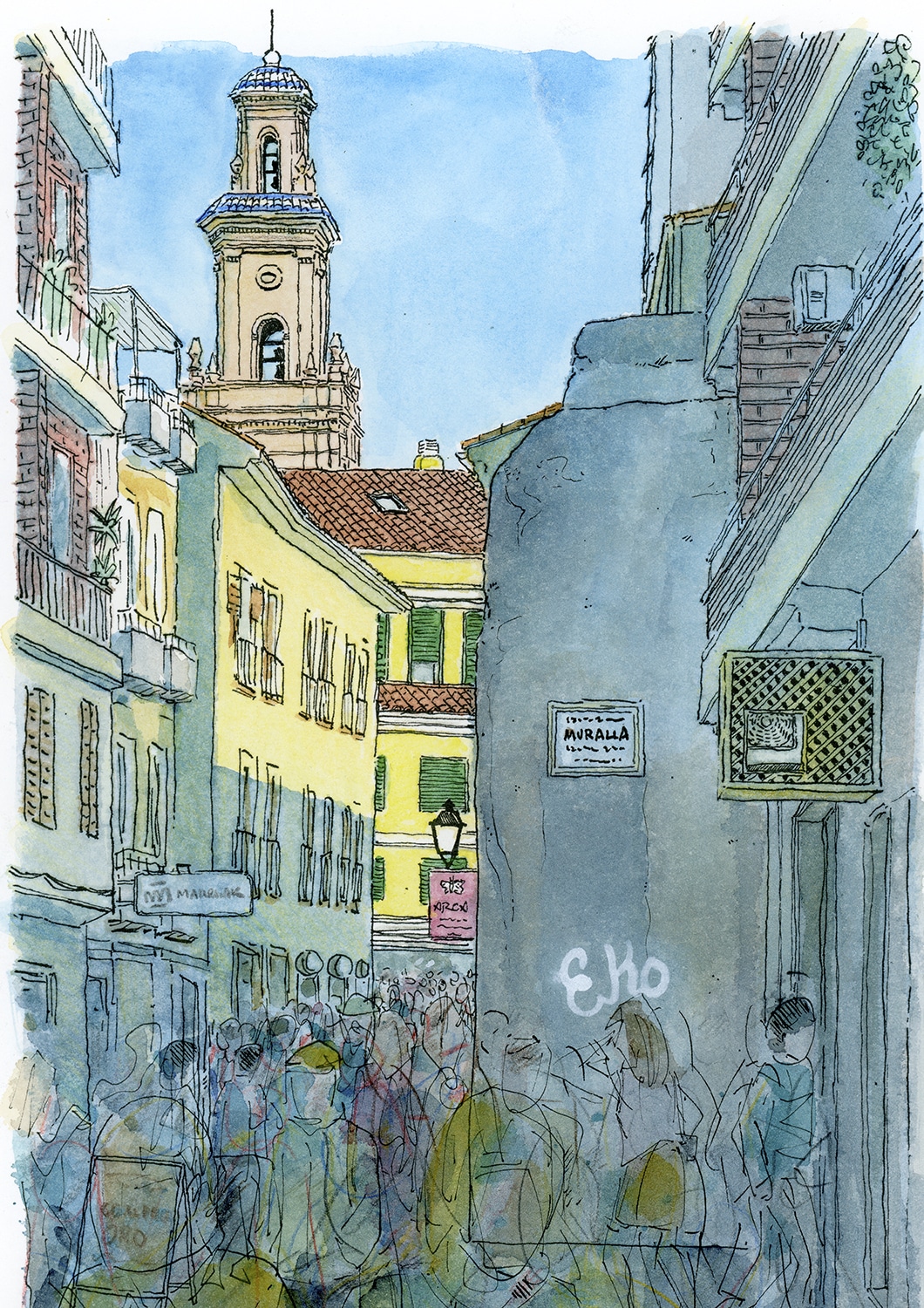
Discover the collection of drawings on the 31 municipalities of the region.




History of the Safor
The county as we know it today is made of modern creation and was born as a result of the proposal of Homologated Territorial Demarcations published by the Generalitat in 1989. Historically, the delimitation of the region of La Safor is related to the existence of the Duchy of Gandia, formerly Señorío de Gandia. It has been considered that the current region of La Safor is formed by two other geographical subareas: the Valldigna Valley, to the north, and the Huerta de Gandía, to the south.
Geography
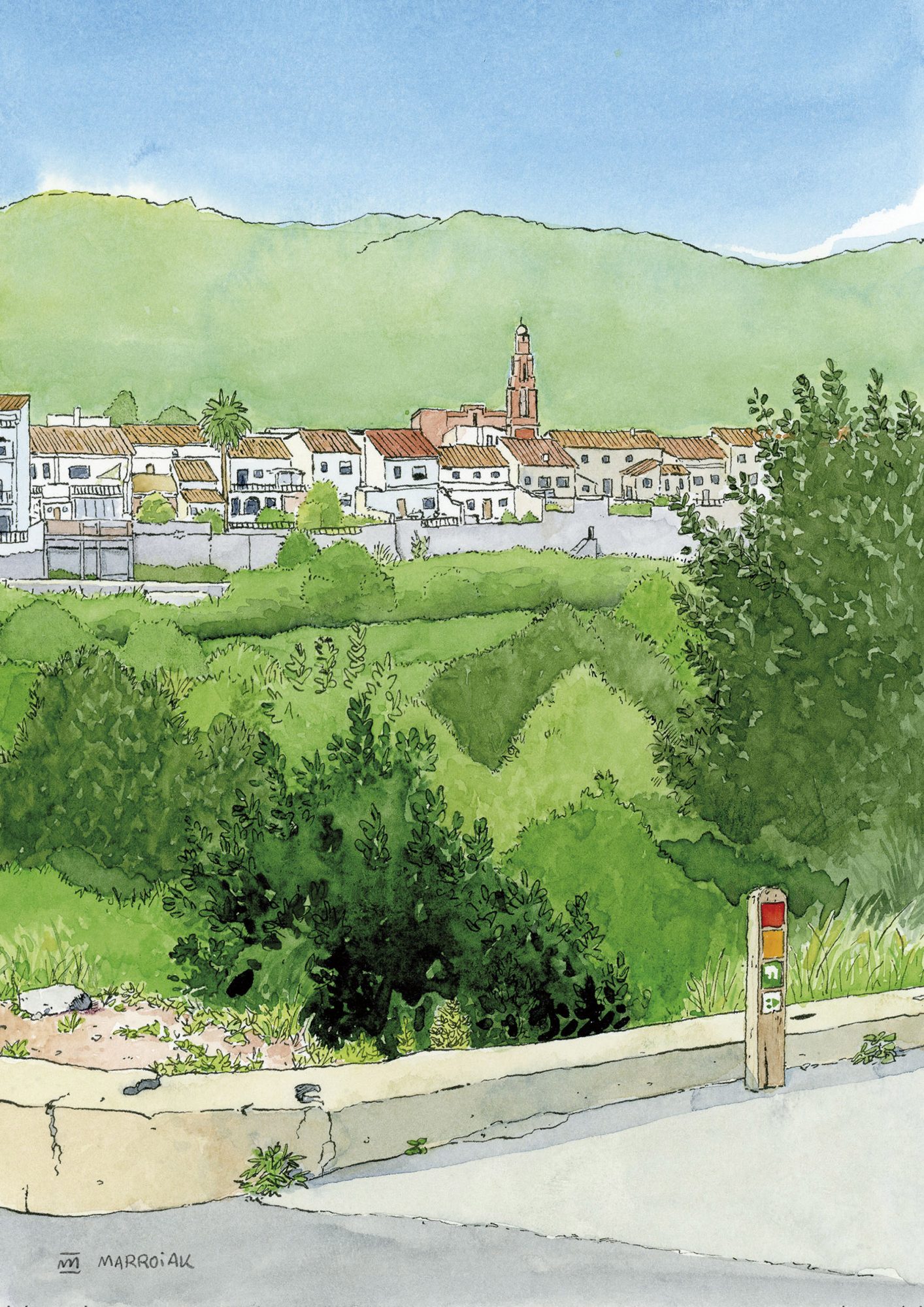
The territory of the region is characterized by a coastal alluvial plain surrounded by a mountainous interior. The mountain ranges of Mustalla, the Safor, Grossa and of les AgullesThe surrounding area is physically separated from the neighboring counties. The coastal plain, except for the marshland areas, it is almost entirely occupied by orange groves and has a high-density urban concentration.
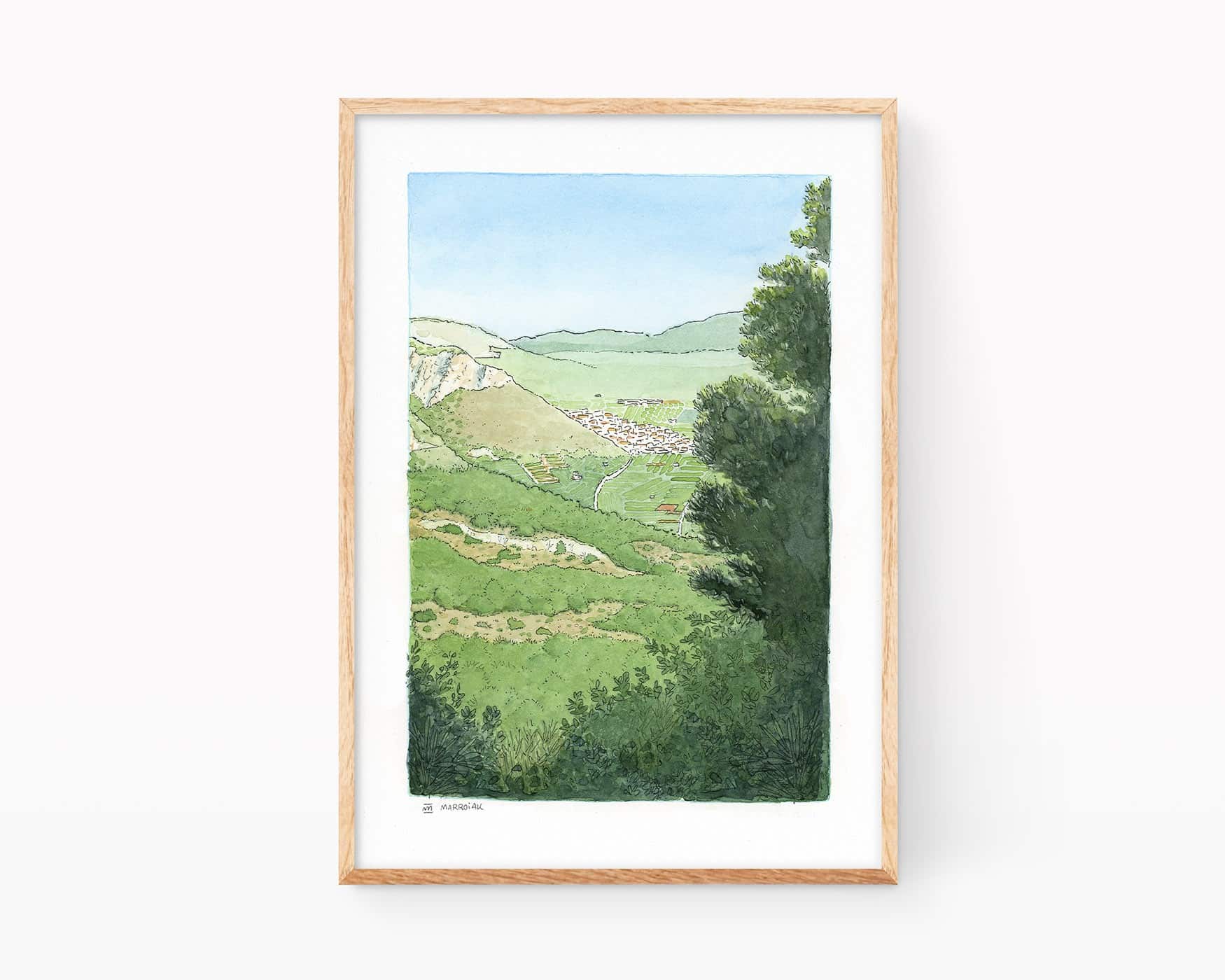
The proximity and the multiple relationships between the towns that make up the region, make the Safor can be considered as an urban complex, common dispersed city, surrounded by fields, mostly dedicated to the cultivation of oranges. Peaks located a short distance from the sea, orange groves that reach the slopes of the mountains and wide horizons that merge with the coastline, are some of the most identifying elements of the landscape of the region.
La Safor is the region that, along with the Marina Alta has the highest average rainfall of all the Valencian Community, thanks to the good orographic position favorable to the easterly winds and gregal.
Tourism
Monuments
- Route of the Monasteries of Valencia. La Safor is located within the itineraries of this monumental and cultural route inaugurated in 2008, which runs through various municipalities and places of the region. Monastery of San Jerónimo de Cotalba and the Monastery of Santa María de la Valldigna.
- Borja RouteThe cultural route dedicated to the imprint of the Borja family in Valencian lands, which, in the region of La Safor, includes several monuments located in Gandia, Alfauir and Simat de Valldigna.
- Historic center of Oliva. The historic center of Oliva in the region of La Safor is one of the largest in the area and is made up of a whole series of traditional Valencian style houses from different periods, from the most humble to the stately. Read more
Nature
- Beaches. Perhaps it is a bit daring to consider the beaches of the region as Nature due to the urbanistic excesses that began back in the 70's and that continues today with no signs of stopping in the near future. Even so, there are still a few relatively natural beaches such as l'Ahuir to the north of Gandia and some areas of Oliva.
- Pego-Oliva Marsh. The Natural Park of the Marjal de Pego-Oliva (in Valencian Parc Natural de la Marjal de Pego-Oliva) is a protected natural area made up of wetlands and rice fields through which the Riu Bullent (or Vedat) and the Riu Racons flow. Read more
Municipalities
Gandia
Gandia is the capital of the Safor region. Its municipality is located in the center of the region. Since the 60s of the twentieth century Gandia has become one of the main tourist destinations in Valencia, tripling its population in summer, when it increases to 320,000 inhabitants. Also, tourism has become the main economic engine of the city. Read more
Oliva
Oliva is the second most populated town in the Safor region and the town with the largest historic center. The name comes from Arabic (Awrabatu), possibly of pre-Roman origin. Later it was called Awriba or Awruba, and in Valencian the terms Oriva and Oliva alternated until the 16th century when the latter prevailed. Read more
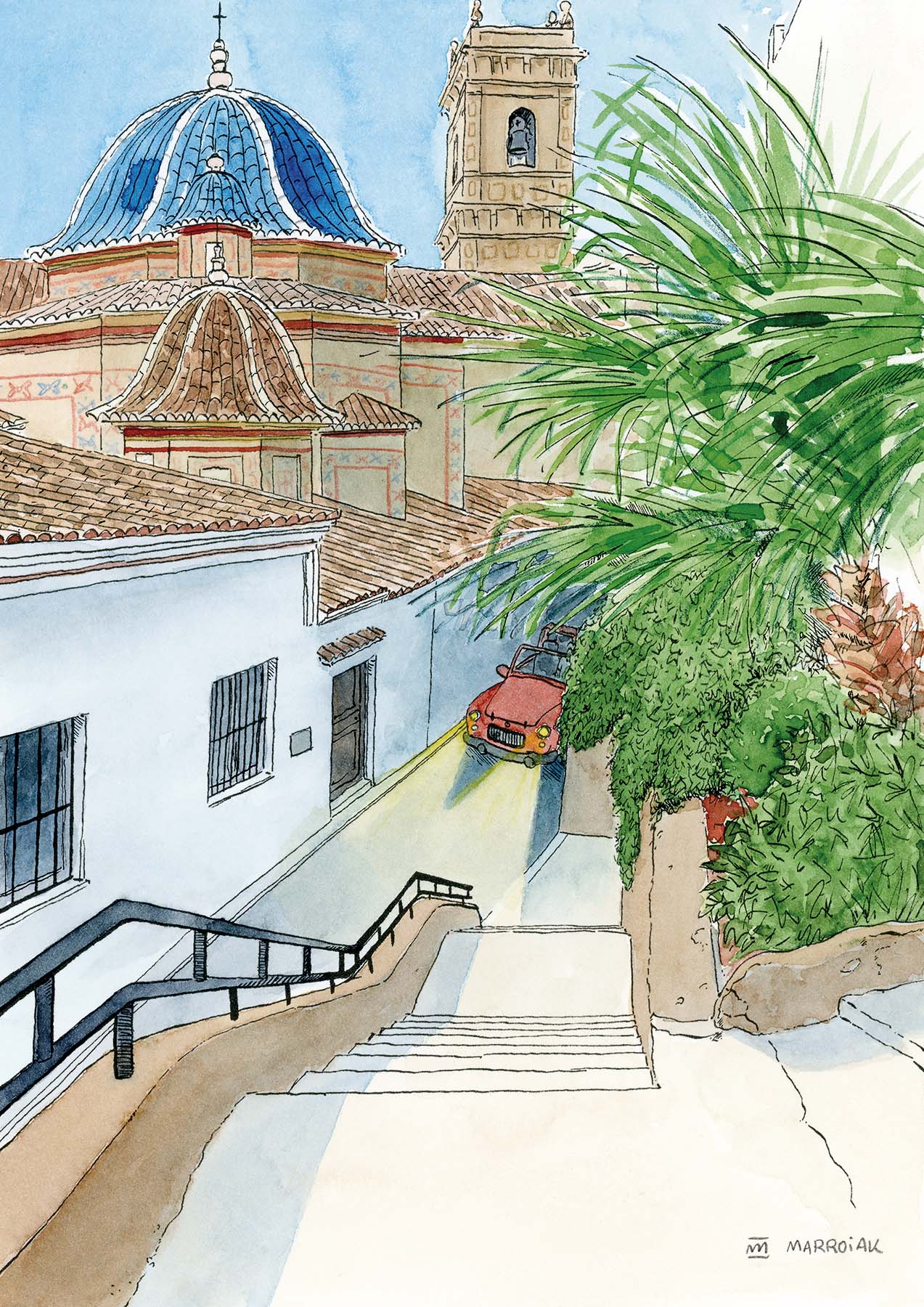
Vilallonga (Villalonga)
With about 4,500 inhabitants Villalonga is located on the northern slopes of the Sierra de la Safor, which serves as a boundary with the province of Alicante. The relief is formed by a spacious valley through the center of which runs the river Serpis in a northeasterly direction in search of the sea.

Palm tree
Palmera has 1,024 inhabitants and a municipal area of 1 km² being a small municipality and annexed to L'Alqueria and Bellreguard. It has a completely flat relief with a slight slope towards the sea, as it sits on the alluvial plain that occupies almost the entire orchard of the Safor. Read more
Tavernes de la Valldigna
Xeraco
Bellreguard
La Font d'en Carròs
Simat de la Valldigna
Daimús
Piles
Miramar
El Real de Gandia
Almoines
Xeresa
Beniarjó
Palma de Gandia
Benirredrà
Benifairó de la Valldigna
Ador
L'Alqueria de la Comtessa Rafelcofer
Ròtova
Barx
Potries
Llocnou de Sant Jeroni
Guardamar de la Safor
Beniflà
Alfauir
Almiserà
Castellonet de la Conquesta
Fauna and Flora
The region of La Safor is diverse in terms of landscapes among which are: mountains, coast, wetlands and horticultural areas. Depending on the geographical area in which we are we can see different types of animals and plants.
Fauna
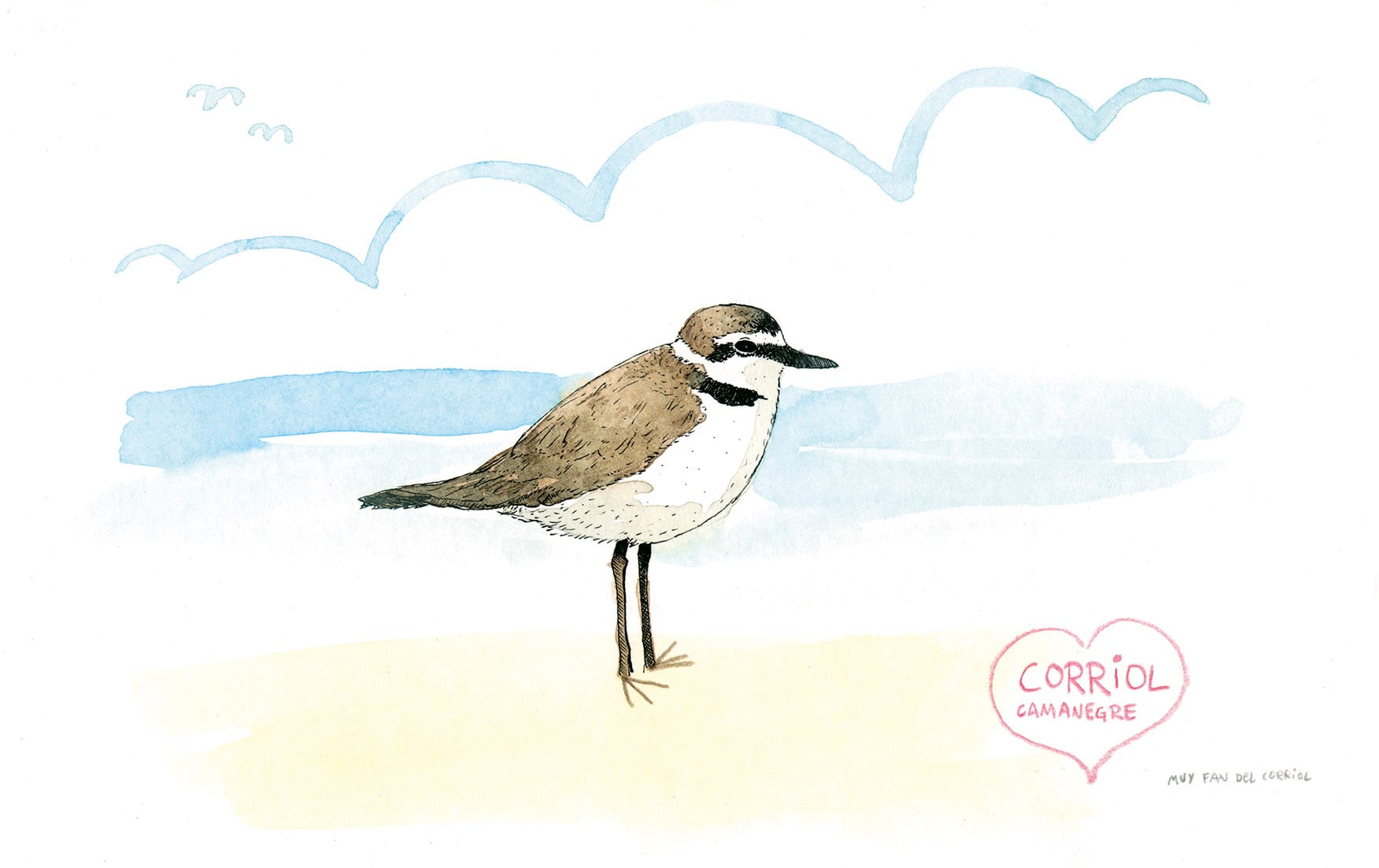
The corriol is one of the most emblematic birds of the region. It scurries along the shore in search of food, approaching the sea when a wave leaves and moving away when it approaches. See more animals of the Safor
Flora
Rosemary is one of the most abundant and characteristic plants of our mountains, a typically Mediterranean shrub accustomed to withstand both the winter cold and the heat and lack of water in summer. See more plants
CULTURE
Languagethe Valencian
La Safor is a region traditionally valencian-speaking located within the Valencian linguistic area. Valencian is a romance language spoken in the Valencian Community and in El Carche (Region of Murcia), as well as in Catalonia, Balearic Islands, Andorra, the Aragon Stripthe county of Roussillon and the Sardinian city of Algherowhere it is called Catalan.
It is one of the main dialectal varieties of Catalan, forming part of the western block, as well as northwestern and transitional Valencian, together with central, Balearic, northern and Alguerese.
In La Safor there are some small differences in the way of speaking Valencian depending on the town. As an example we find the characteristic «apichat» of Gandia.
BOOKS & Publications
Art and gastronomy
The cuisine of La Safor. Chelo Peiró
La Safor illustrated. Marroiak
OLIVA! Marroiak
Sports and tourism
A un tir de pedra. Òscar Martí, David Gomar and Vicent Cervera.
Fauna and flora
The Forests of La Safor. Xavier Ródenas Mayor, Josep Sendra Pérez i José María Peiró Barrero
Wild plants of our environment. Salvador Fuster and Vicent Camarena
The bolets of the safor and our environment. Santiago Garcia Català
Field guide of the Natural Park of the Pego-Oliva Marshlands
References
La Safor on wikipedia.org
Safor News at gentedelasafor.es
