25,101 inhabitants - 59.93 km2
Oliva is the second most populated city in the region of Oliva. Safor and the population with the largest historical center. The toponym comes from Arabic (Awrabatu), of possible pre-Roman origin. Later it was called Awriba or Awruba, and in Valencian the terms Oriva and Oliva alternated until the 16th century when the latter prevailed.
The first traces of human settlement found in Oliva date from the Middle Paleolithic and come from the Cova Foradada. Materials from the Upper Paleolithic of the Bronze Age have also been found here. Paleolithic and Mesolithic remains have been found in the Collado. During the Bronze Age there were settlements such as Almuchich and Pic dels Corbs. The settlement of Castellar, from the Iberian period, stands out above all. The origin of the population of Oliva probably predates the Muslim invasion of the Iberian Peninsula.
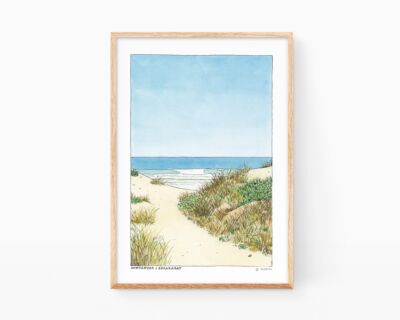
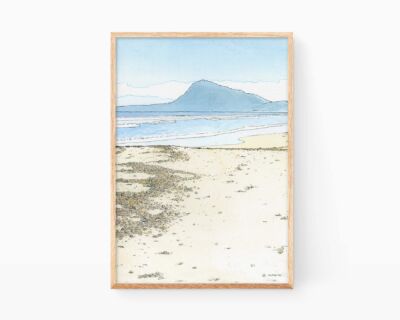
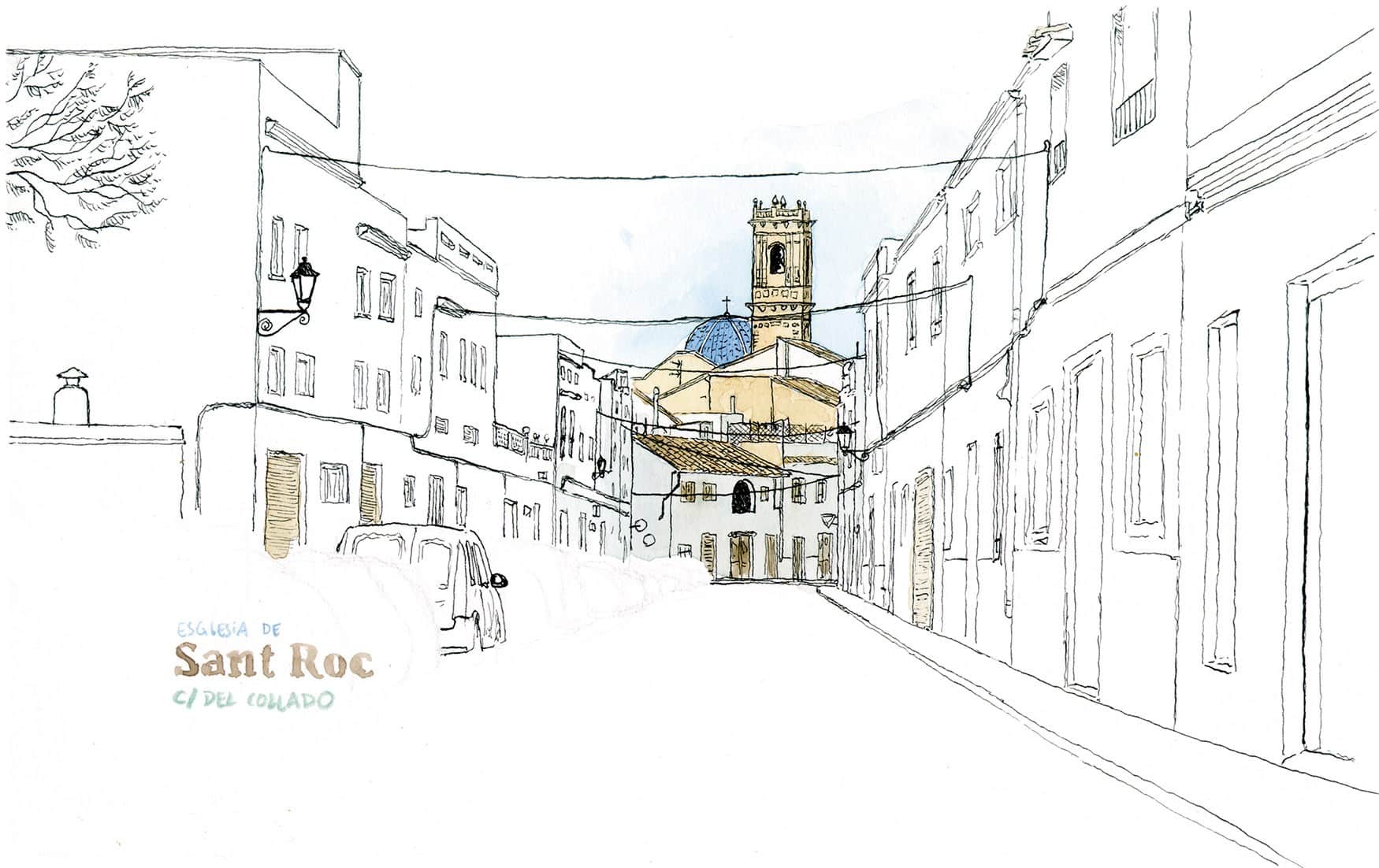
In Oliva we can enjoy an interesting excursion through the great historic center, visit the top of the Santa Anna mountain with its panoramic views of the municipality or enjoy one of the beaches with less urban occupation. It is also remarkable the Natural Park of Marjal Pego-Oliva, which has different routes on foot or by bike and can be complemented with a swim in the medicinal waters of the Font Salada.
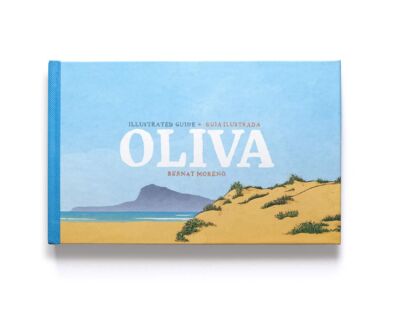
Discover Oliva Ilustrada
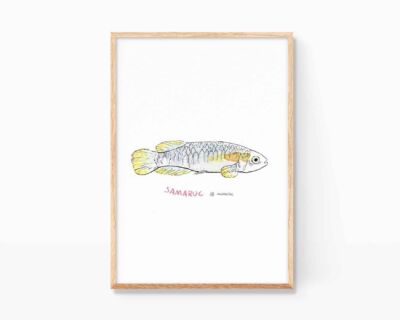
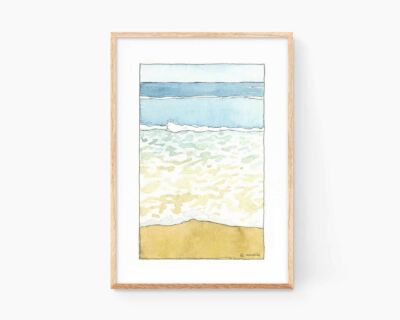
A collection of Oliva's drawings and watercolors.